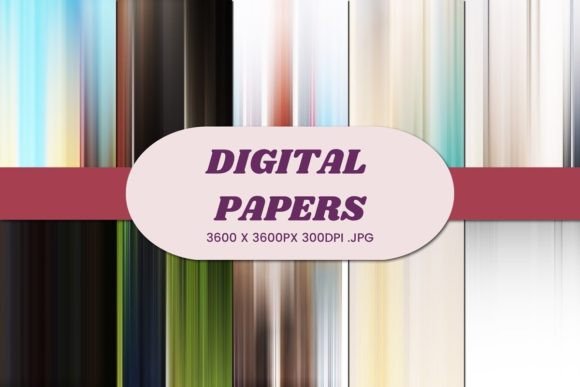
Abstract 191 Background Digital Papers: A Strategic Asset for Modern Creative Workflows
In the fast-paced environment of digital design and small business operations, efficiency often hinges on the quality of foundational assets. Abstract 191 Background Digital Papers represents more than a simple collection of images; it is a versatile resource designed to streamline the creative process across diverse industries. Whether you are a freelancer managing multiple client projects or an entrepreneur launching a new product line, the ability to integrate high-quality textures instantly can significantly reduce production time while enhancing visual consistency.
This printable design suite serves as a critical component in the pre-production phase of numerous projects. By providing a ready-made aesthetic foundation, it allows creators to focus their energy on branding, messaging, and specific customization rather than spending hours generating background elements from scratch. The utility of these papers extends well beyond mere decoration, acting as a structural element in workflows ranging from sublimation printing to social media content planning.
Integrating Abstract Assets into Production Pipelines
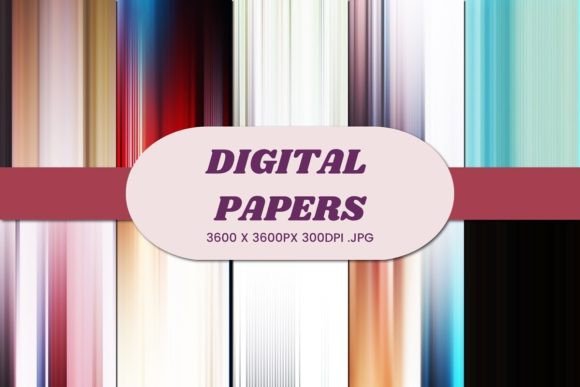
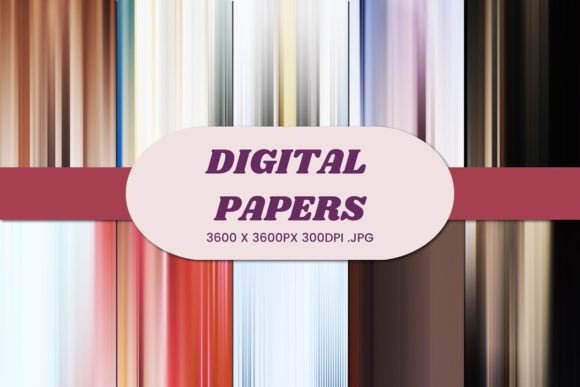
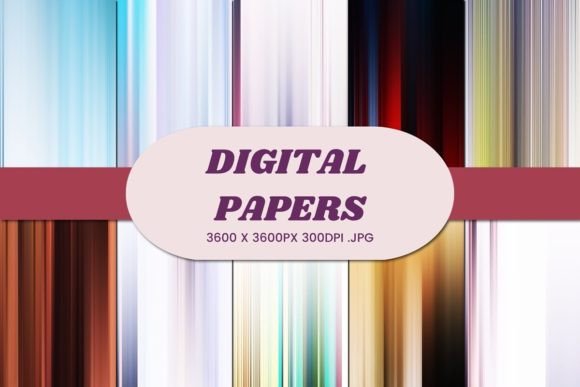
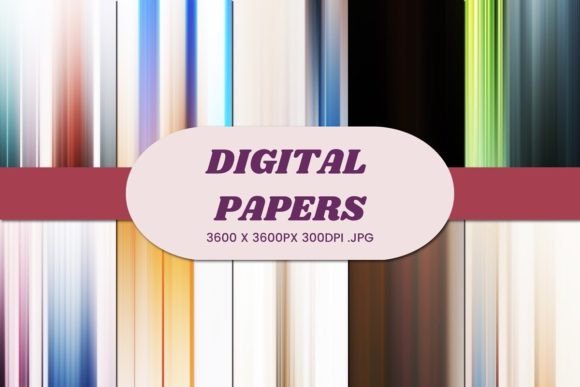
The true value of Abstract 191 Background Digital Papers lies in its adaptability during the execution phase of a project. In professional settings, where deadlines are tight and margins are thin, having a library of high-resolution assets ensures that the final output meets rigorous quality standards without unnecessary delays. The inclusion of ten distinct JPG files, each sized at 3600x3600 pixels with a 300 DPI resolution, guarantees that these backgrounds remain crisp whether they are used for a large-format banner or a detailed phone case mockup.
When approaching a new commission, the workflow typically begins with concept development. At this stage, designers often struggle to find a cohesive visual theme. Instead of sourcing disparate images that may clash in texture or color temperature, a creator can pull directly from the Abstract 191 set. This immediate availability accelerates the mood board creation process, allowing for rapid iteration. Once a background style is selected, it becomes the anchor for the rest of the design, dictating font choices, color palettes, and layout structures.
Furthermore, these digital papers facilitate a seamless transition from digital design to physical production. For businesses utilizing sublimation techniques, the compatibility of the file format is paramount. The high-resolution nature of the 300 DPI files ensures that when the design is printed onto substrates like mugs, tumblers, or pillows, there is no loss of detail or pixelation. This reliability is essential for maintaining brand integrity and customer satisfaction, as poor print quality can undermine even the most innovative product concepts.
Application Across Diverse Product Categories
The versatility of this asset pack supports a wide array of use cases, making it suitable for professionals who operate across different market segments. For apparel designers, the backgrounds serve as perfect templates for t-shirt graphics, offering a textured backdrop that adds depth to flat vector art. Similarly, for makers selling on platforms like Etsy or Shopify, these images are ideal for creating product packaging that stands out on crowded shelves. The abstract nature of the designs ensures they do not compete with the primary subject matter but rather enhance it.
Content creators and marketers also benefit significantly from this resource. In the realm of social media management, consistent visual identity is crucial for audience retention. Using a specific pattern from the Abstract 191 collection as a base for Instagram stories, Facebook covers, or Pinterest pins creates a recognizable brand voice. Because the files are high-resolution, they scale effectively for various platform requirements, eliminating the need for constant resizing and reformatting.
Educators and bloggers can utilize these papers to create engaging learning materials and downloadable resources. Invitations for workshops, book covers for self-published guides, or scrapbook pages for educational portfolios all gain a professional polish when anchored by these textures. The ability to use the same asset across physical invitations and digital downloads creates a unified experience for the end user, reinforcing the perceived value of the material.
Technical Considerations and Quality Control
Successful implementation of any digital asset requires attention to technical specifications. The 3600x3600 pixel dimension of the Abstract 191 files provides ample canvas space for cropping and composition adjustments. This flexibility is particularly useful when adapting a single image for different aspect ratios, such as converting a square background into a landscape header for a website or a vertical graphic for a mobile app. The 300 DPI specification confirms that the images are optimized for print, ensuring that color fidelity and sharpness are preserved during the transfer to physical media.
Organizing these files within a digital asset management system is a key step in maintaining workflow efficiency. Professionals should categorize the ten JPG files based on color tone, complexity, or intended application. This organization prevents the "search paralysis" that often occurs when working under pressure. By having a structured library, a designer can locate the perfect background in seconds, keeping the creative momentum intact. Additionally, backing up these files in cloud storage ensures that they are accessible from any device, facilitating collaboration with team members or remote clients.
Quality control is another critical factor. Before finalizing a project, it is advisable to preview the background at full size to check for any artifacts or compression issues. While the source files are high-resolution, improper scaling down in editing software can sometimes introduce blurriness. Ensuring that the background layer remains editable or is flattened only at the final export stage preserves the highest possible quality. This practice is especially important for 3D sublimation tumbler wraps and mug wraps, where the curvature of the object can distort patterns if the underlying image lacks sufficient resolution.
Enhancing Workflow Through Consistency
Consistency is the hallmark of professional work, and Abstract 191 Background Digital Papers plays a pivotal role in achieving this. When a business produces a range of items—from business cards to product packaging—using a cohesive set of backgrounds ties the entire brand identity together. This visual harmony builds trust with consumers, signaling that the company pays attention to detail. It eliminates the disjointed look that often results from using random stock photos found online, which may vary in lighting, style, and resolution.
For entrepreneurs looking to expand their offerings, these digital papers offer a low-risk way to test new product lines. Since the files are digital, there is no inventory cost associated with the backgrounds themselves. A seller can quickly create mockups for a new line of blankets or stickers using these textures to gauge market interest before committing to a large production run. This agility allows for responsive business strategies that can pivot quickly based on customer feedback.
The integration of these assets also supports long-term scalability. As a business grows, the demand for varied yet consistent visual content increases. Having a reliable source of high-quality backgrounds means that expansion does not come at the cost of design quality. Whether producing a single wedding card or a bulk order of branded merchandise, the Abstract 191 collection provides the necessary foundation to maintain high standards.
Maximizing Value Through Strategic Usage
To get the most out of this resource, users should view the backgrounds as dynamic tools rather than static images. Experimenting with blending modes, opacity adjustments, and overlay effects can transform a simple texture into a complex design element. For instance, lowering the opacity of a background behind a logo can create a subtle watermark effect that adds professionalism without overwhelming the text. These small adjustments demonstrate a sophisticated approach to design that elevates the overall perception of the final product.
Moreover, the digital nature of the files allows for infinite reuse. Unlike physical paper or fabric, a JPG file can be used for one project today and repurposed for a completely different initiative tomorrow. This reusability maximizes the return on investment, making it a cost-effective solution for budget-conscious creators. It encourages a mindset of resourcefulness, where every asset is leveraged to its fullest potential to support broader business goals.
In conclusion, Abstract 191 Background Digital Papers is a strategic tool that bridges the gap between conceptual planning and practical execution. By providing high-resolution, versatile textures, it empowers professionals to work faster, produce higher quality outputs, and maintain a consistent brand identity across all channels. Whether for crafting, commercial printing, or digital marketing, integrating these assets into your workflow offers a tangible advantage in an increasingly competitive digital landscape.