Kraft Paper Digital Papers: A Comprehensive Evaluation
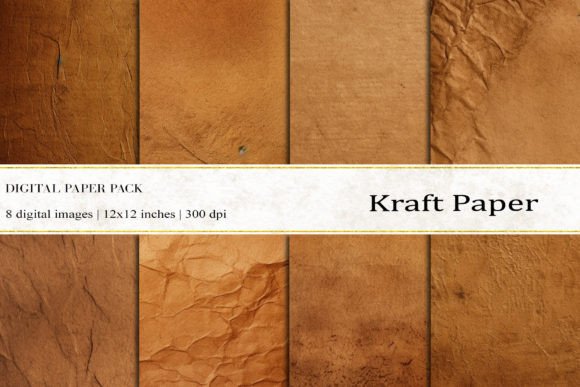
In the realm of digital design and creative crafting, the aesthetic of natural materials continues to hold significant appeal. Kraft paper digital papers represent a specific category of assets that mimic the warm, textured appearance of traditional brown packaging material but exist entirely in a digital format. This collection typically features a set of 14 distinct variations, each designed to replicate the organic feel of kraft stock while offering the versatility required for modern workflows. Whether you are a graphic designer seeking authentic textures or a hobbyist looking to enhance scrapbooking projects, understanding the capabilities and limitations of these assets is essential before making a selection.
Understanding the Product Composition
The core offering described here consists of 14 high-resolution images formatted as JPG files. Each image measures 12×12 inches at a resolution of 300 dpi (dots per inch). This specification is critical for users who intend to print their work, as 300 dpi ensures that the output remains sharp and free from pixelation when printed at standard sizes. The dimensions align with common industry standards for scrapbooking and cardmaking, allowing for direct use without extensive resizing.
A notable aspect of this specific set is its origin. These images were generated using Midjourney, a generative art AI program. While this technology allows for rapid creation of unique textures and patterns, it also introduces specific characteristics that differ from traditional photography or hand-sketched scans. The resulting textures often possess a dreamlike quality, blending realistic imperfections with artistic stylization. Users should be aware that while the visual result mimics real-world kraft paper, the underlying structure is algorithmically created rather than captured from physical objects.
Primary Applications and Use Cases
The versatility of kraft paper background assets makes them suitable for a wide array of applications. Their neutral, earthy tone serves as an excellent backdrop for text and imagery across various mediums.
- Digital Planning and Stationery: The texture provides a rustic contrast to clean typography, making it ideal for planner stickers, letterhead, and stationary designs.
- Scrapbooking and Cardmaking: For crafters, these digital papers allow for the creation of collages and photo albums without the need to source, scan, and organize physical paper sheets.
- Web and Business Graphics: In web design, these textures can add warmth to landing pages, business cards, and invitations, breaking up the sterility of pure white backgrounds.
- Physical Production: Due to the 300 dpi resolution, the files are viable for fabric printing and home decor items, provided the user has access to appropriate printing services.
Evaluating Benefits and Tradeoffs
When considering whether to incorporate this set into your workflow, it is important to weigh the advantages against potential drawbacks inherent to digital asset generation.
The Advantages of Digital Kraft Textures
The primary benefit lies in efficiency and cost. Acquiring a set of 14 digital papers eliminates the shipping costs and storage space required for physical paper. Furthermore, the ability to layer these textures over other digital elements offers non-destructive editing capabilities. If a project requires a different shade of brown or a slight adjustment to the grain, digital manipulation is far more flexible than working with physical media. The consistency of the 12×12 inch size also streamlines the layout process for designers who frequently work with grid-based systems.
Considerations Regarding AI Generation
The fact that these images are made with Midjourney presents a unique consideration. Traditional scanned kraft paper captures the random, chaotic nature of real fibers and manufacturing defects. AI-generated textures, while visually striking, may occasionally exhibit repeating patterns or "hallucinated" details that do not occur in nature. For projects requiring hyper-realism, such as architectural visualization or high-end product mockups where every fiber must look authentic, a purely AI-generated texture might fall short compared to a photograph of actual paper.
Additionally, the JPG format, while universally compatible, is a lossy compression format. For professional print workflows where color fidelity is paramount, TIFF or PSD formats with layers are often preferred. However, for most web and standard print applications, the JPG format at 300 dpi remains a practical choice.
Situational Fit: When to Choose This Set
This collection of kraft paper digital papers is a strong fit for users whose primary goal is to convey a specific mood rather than achieve photographic perfection. It is particularly well-suited for:
- Thematic Projects: Designs focusing on eco-friendly themes, vintage aesthetics, or rustic party invitations benefit from the warm, organic look of kraft textures.
- Rapid Prototyping: Designers needing quick background options for client presentations can utilize these assets to establish a visual direction without sourcing physical samples.
- Craft Enthusiasts: Hobbyists who enjoy digital scrapbooking will find the variety within the 14-image set sufficient for creating diverse layouts without the clutter of physical supplies.
When Alternatives May Be Preferable
Despite the utility of this set, there are scenarios where alternatives might be worth considering. If your project demands absolute accuracy in representing the tactile feel of raw cardboard, a library of high-resolution macro photographs of real paper would be superior. Similarly, if you require vector scalability for large-scale banners or signage, a raster image like these 12×12 inch JPGs will lose quality when enlarged beyond their native resolution.
Furthermore, for users concerned about copyright and commercial usage rights associated with AI-generated content, verifying the specific license terms of the provider is crucial. Some platforms have varying rules regarding the commercial sale of items created with generative tools, which could impact how you use these designs in client work.
Practical Decision-Making Insights
To determine if this set aligns with your goals, consider your end-use first. If the output is primarily for screens, social media, or small-format printing (such as business cards or invitations), the 300 dpi resolution is adequate. The AI-generated nature of the images adds a level of uniqueness that can help your designs stand out from generic stock libraries.
However, if you are building a long-term asset library for a major brand identity system, you may want to test a single image from the set by printing it at full scale to inspect the texture for any unnatural repetitions or artifacts. The decision ultimately rests on balancing the desire for an authentic kraft aesthetic with the practical constraints of digital file formats and the specific requirements of your final medium.
In conclusion, this set of 14 digital papers offers a convenient and versatile solution for adding a touch of rustic elegance to digital and physical projects. By understanding the strengths of the AI-generated textures and acknowledging the limitations of the JPG format, users can effectively integrate kraft paper textures into their creative processes to achieve professional and aesthetically pleasing results.